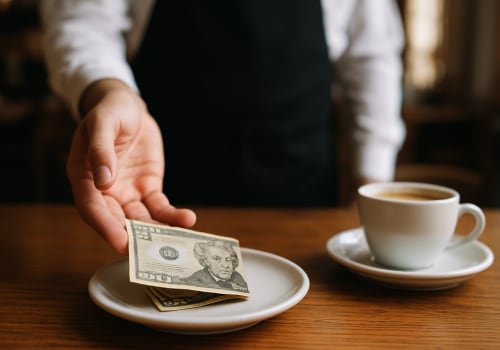
New York City is renowned for its vibrant culture, diverse population, and, notably, its unique tipping culture. In a city where dining out and service industries thrive, understanding the nuances of tipping etiquette is essential for both locals and visitors alike. Tipping is not just a customary practice; it is often viewed as a vital part of the income for service workers, including waitstaff, bartenders, and taxi drivers. This cultural norm raises the question: is a 20% tip truly standard in NYC?The expectation to tip can vary significantly depending on the type of service received.
In restaurants, for instance, a tip of 15% to 20% is generally considered acceptable, with 20% becoming increasingly common as a benchmark for good service. However, this practice extends beyond just dining establishments; it encompasses various services throughout the city. From hairdressers to hotel staff, understanding when and how much to tip can enhance your experience in the Big Apple.But why is tipping so ingrained in New York City's social fabric? The answer lies in the city's fast-paced lifestyle and the reliance on service-oriented jobs. Many workers in these sectors earn a base wage that is lower than the minimum wage due to the expectation of tips.
Thus, tipping becomes not just a gesture of appreciation but a necessary component of their livelihood. As we delve deeper into this topic, we will explore whether a 20% tip is indeed the standard and what factors influence this practice in NYC.
Historical Context of Tipping in the U.S.
The practice of tipping in the United States has a complex and often debated history that dates back to the early 19th century. Originally, tipping was not a common practice in America; it was largely viewed as a European custom. The term itself is believed to have originated from the phrase "To Insure Promptitude," which was used in England to encourage better service.In the post-Civil War era, tipping began to gain traction in the U.S., particularly among the wealthy elite who traveled to Europe and returned with this custom.They introduced it into American society, primarily in restaurants and hotels. However, this practice faced significant backlash, as many viewed it as a form of class distinction that perpetuated inequality.By the early 20th century, tipping had become more widespread, especially in urban areas. The rise of service industries, such as dining and hospitality, created a culture where tips became an essential part of workers' income. This shift was further solidified during the Great Depression when many service workers relied on tips to survive financially.Today, tipping is deeply embedded in American culture, with various industries adopting their own norms.
For instance, in restaurants, a standard tip of 15% to 20% is expected for good service, while other sectors like taxis and hair salons have their own customary rates. This evolution reflects not only changing economic conditions but also societal attitudes towards service and compensation.Understanding the historical context of tipping is crucial for grasping its significance today. It highlights how cultural practices can evolve over time and how they are influenced by economic factors and social norms.
Current Tipping Standards in NYC
In New York City, the current tipping standards reflect a culture that values service and hospitality. While tipping practices can vary by establishment and service type, a 20% tip has become the widely accepted norm, especially in restaurants.This percentage is not just a guideline; it is often expected by service staff who rely on tips as a significant part of their income.When dining out, patrons typically calculate the tip based on the pre-tax total of their bill. For example, if your meal costs $100, a 20% tip would amount to $20. This practice helps ensure that servers are compensated fairly for their work, particularly in a city where the cost of living is high.
Other Service Industries
The 20% standard also extends beyond restaurants. Here are some common tipping practices in various service sectors:- Bars: A tip of $1 to $2 per drink is customary, or 20% of the total tab.
- Taxis and Rideshares: A tip of 15-20% is standard, depending on the quality of service.
- Hair and Beauty Services: Tipping 15-20% is common for hairdressers, nail technicians, and other beauty professionals.
- Hotel Staff: Bellhops typically receive $1-2 per bag, while housekeepers may be tipped $2-5 per night.
Additionally, some establishments may include a service charge in the bill, particularly for larger parties, so it’s wise to check before calculating your tip.Understanding these NYC tipping standards can enhance your dining experience and ensure you are respecting local customs while supporting those who provide essential services in this vibrant city.
Factors Influencing Tipping Amounts
Tipping in New York City can be influenced by a variety of factors, making it essential for diners to understand the nuances of this practice. Here are some key elements that can affect how much you should tip:- Service Quality: The level of service you receive plays a significant role in determining your tip. If your server is attentive, friendly, and goes above and beyond to ensure a pleasant dining experience, consider tipping more than the standard 20%. Conversely, if the service is slow or inattentive, it may be appropriate to tip less.
- Type of Establishment: Different types of restaurants and bars have varying expectations for tips.
Fine dining establishments often expect higher tips due to the elevated level of service and experience provided. In contrast, casual eateries may have a more relaxed tipping culture. Always consider the context of the establishment when deciding on your tip.
- Personal Circumstances: Your own financial situation can also influence how much you choose to tip. While it’s important to recognize good service, it’s equally important to stay within your budget.
If you’re on a tight budget but still want to acknowledge good service, consider leaving a smaller percentage or a flat amount that feels comfortable for you.
Comparing Tipping Practices Across Different Cities
Tipping practices can vary significantly across the United States, reflecting regional customs and cultural attitudes towards service. In New York City, a standard tip of 20% is often expected in restaurants, bars, and other service-oriented establishments. However, this is not universally applicable across the country.For instance, in cities like San Francisco, the tipping culture is quite similar to that of NYC, with many locals also adhering to the 20% rule.However, the high cost of living in both cities can lead to some patrons tipping even more, especially in upscale dining venues.In contrast, cities such as Chicago and Los Angeles have slightly different norms. While a 15-20% tip is still common, many residents may tip closer to 15% for average service. This reflects a more relaxed approach to tipping compared to the fast-paced environment of NYC.
Regional Differences:
- New York City: 20% is standard; higher for exceptional service.
- San Francisco: Similar to NYC; 20% is common.
- Chicago: 15-20%; tipping can be less rigid.
- Los Angeles: 15% is often acceptable; varies by establishment.
Meanwhile, in smaller towns or rural areas, tipping may be less emphasized altogether.This comparison highlights how NYC stands out with its strict adherence to a higher tipping standard. Understanding these regional differences can help travelers navigate the complexities of tipping across various U.S. cities, ensuring they show appreciation for good service while respecting local customs.
Common Misconceptions About Tipping in NYC
Tipping in New York City can be a complex topic, often surrounded by misconceptions and myths. Understanding these can help both locals and visitors navigate the tipping culture more effectively.Myth 1: A 20% tip is mandatory. While a 20% tip is commonly accepted as a standard in NYC, it is not a hard and fast rule.Many people believe that anything less is considered rude, but the reality is that tips can vary based on service quality. A tip of 15% is still acceptable for average service, while exceptional service might warrant a higher percentage.Myth 2: Tipping is only for waitstaff. Another common misconception is that tipping is limited to restaurant staff. In NYC, it’s customary to tip various service providers, including taxi drivers, hairdressers, and hotel staff. For instance, taxi drivers typically receive a tip of around 15-20%, while hotel bellhops might expect $1-2 per bag.Myth 3: All establishments have the same tipping expectations. Different types of establishments may have varying norms regarding tips.
For example, fine dining restaurants often expect higher tips compared to casual eateries. Additionally, some places may include a service charge in the bill, which can lead to confusion about whether an additional tip is necessary.Myth 4: Tipping is optional. While technically you can choose not to tip, in NYC, it’s generally expected and considered part of the service experience. Not tipping or leaving an excessively low tip can be seen as disrespectful to the service staff who rely on tips as a significant portion of their income. In conclusion, understanding these common myths about tipping in NYC can help you make informed decisions and show appreciation for good service. Always consider the context and quality of service when determining your tip amount.
Tips for Tourists on Tipping in NYC
When visiting New York City, understanding the local tipping customs can enhance your experience and help you avoid any awkward situations.Here are some essential tipping tips for tourists to keep in mind:
- Restaurants: In most restaurants, a tip of 15% to 20% is standard for good service. If you receive exceptional service, feel free to tip more. Conversely, if the service is poor, it’s acceptable to tip less, but it’s generally recommended to leave at least 10%.
- Cabs and Rideshares: For taxi drivers and rideshare services like Uber or Lyft, a tip of around 15% to 20% is customary. If the driver helps with your luggage or provides exceptional service, consider tipping more.
- Hotel Staff: When staying at a hotel, it’s polite to tip the bellhop around $1 to $2 per bag.
Housekeeping staff should receive about $2 to $5 per night, depending on the level of service and the size of your room.
- Tour Guides: If you’re taking a guided tour, a tip of $5 to $10 per person is appreciated. For private tours or exceptional experiences, consider tipping more.
- Baristas and Bartenders: When ordering drinks at a bar or café, it’s common to leave a tip of $1 per drink. If you’re ordering food as well, consider tipping based on the total bill.
Being informed will help you navigate the vibrant NYC dining and service scene with confidence!
Conclusion: The Importance of Understanding Tipping Etiquette
In conclusion, understanding tipping etiquette in New York City is essential for both locals and visitors alike. The city’s vibrant dining and service culture places a significant emphasis on gratuity, making it a crucial aspect of the overall experience. As we have explored, a 20% tip is often considered the standard in NYC, reflecting the high cost of living and the quality of service provided.Moreover, recognizing the nuances of tipping can enhance your interactions with service staff. For instance, while 20% is a good benchmark, it’s important to consider factors such as the level of service received and the type of establishment.In more casual settings, a tip of 15% may suffice, while exceptional service might warrant a higher percentage.
- Be aware of automatic gratuities: Some restaurants automatically add a service charge for larger parties. Always check your bill to avoid double tipping.
- Consider the context: Tipping practices can vary by industry; for example, bartenders and taxi drivers may have different expectations.
- Show appreciation: A well-timed tip not only rewards good service but also fosters positive relationships with those who serve you.